The pulp and paper industry transforms wood and recycled materials into everyday products like packaging, tissues, printing paper, and specialty grades. Central to this transformation are key processes: pulping (mechanical or chemical), bleaching, papermaking, and finishing. The primary raw materials—wood fibers and recycled paper—undergo these steps to become finished paper products.
This industry is highly capital- and energy-intensive, relying on large-scale machinery that operates under demanding conditions. Equipment reliability, sustainability, water management, and emissions control are major operational priorities. Leading producers such as the USA, Canada, Brazil, and China play a vital role in global trade and consumer supply chains.

Paper Making Process Diagram
The Paper Machine: Core of the Operation
At the heart of paper production is the paper machine—an intricate, continuous process system that converts pulp into long rolls of finished paper. It begins by distributing diluted pulp onto a moving wire mesh where water drains, allowing fibers to bond and form a wet sheet. This sheet is then pressed to remove moisture and improve fiber bonding before passing through heated rollers that dry the sheet to its final moisture content. Finally, the paper is wound into large rolls for further processing or shipping.
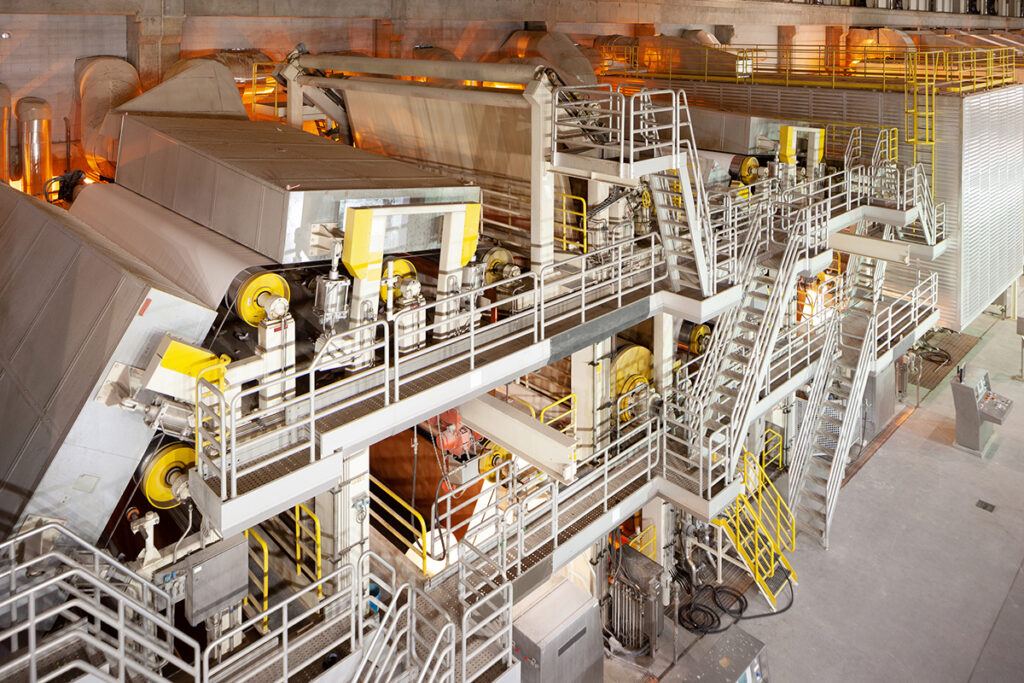
Extreme industrial conditions such as water and heat exposure takes a toll on roller bearings in the paper machine.
Each section of the paper machine presents unique mechanical and environmental challenges. The wet end and dry end operate under very different conditions, placing varied demands on critical components—especially roller bearings.
Bearing Performance: A Critical Reliability Factor
Bearings are essential to the performance of rollers throughout the machine. If a single bearing fails, it can halt the entire production line, resulting in costly unplanned downtime and production losses. These failures are often due to poor lubrication, contamination, or misalignment—and they can have cascading impacts on productivity, maintenance costs, and delivery timelines.
Wet End Challenges
The wet end of the paper machine operates under harsh environmental conditions, including:
- Constant exposure to water and chemical contaminants
- High humidity levels
- Ingress of fine pulp particles
These factors can cause:
- Corrosion of bearing surfaces
- Lubricant dilution or washout
- Premature wear due to contamination
- Micro-pitting from poor film formation

Paper Machine Wet End Flow Diagram
Dry End Challenges
On the dry end, bearings face completely different stresses:
- High operating temperatures
- High-speed rotation
- Heavy radial and axial loads
- Shaft misalignment due to thermal expansion
These can lead to:
- Lubricant degradation at high temperatures
- Accelerated wear from high-speed rotation
- Misalignment stress on bearing races and cages
- Oxidation and coking of lubricants

Paper Machine Dry End Flow Diagram
Bearing failures in paper machines can have significant and far-reaching consequences. Whether caused by inadequate lubrication, contamination, or mechanical wear, any disruption to bearing performance can bring the entire machine to a sudden halt. Because paper machines operate as continuous systems, even a single roller bearing failure can result in unplanned downtime—disrupting operations, delaying production, and incurring substantial repair costs.
Repeated bearing issues not only increase maintenance expenses but also lead to missed delivery deadlines, reduced output, and heightened operational risk. In high-speed, high-capacity environments, even brief interruptions can trigger cascading delays throughout the supply chain. That’s why maintaining bearing reliability—across both the wet and dry sections of the machine—is essential to ensuring operational continuity, maximizing productivity, and keeping costs under control.
Strategies to Improve Bearing Reliability
Precision Bearing Selection
Matching the right bearing to the operating conditions is fundamental to improve reliability.
- In the wet section, sealed spherical roller bearings with corrosion-resistant coatings or stainless steel are preferred. Water-resistant grease is essential to maintain lubrication in environments exposed to moisture and chemicals.
- In the dry section, high-temperature and high-speed-rated bearings, such as cylindrical roller or hybrid ceramic bearings, offer better performance under heat and load.
Optimized Lubrication Management
Effective lubrication reduces friction, prevents wear, and controls heat.
- Use water-resistant and anti-corrosive greases in the wet section to combat washout and corrosion.
- In the dry section, apply thermally stable greases with high oxidative resistance to withstand elevated temperatures.
- Automatic lubrication systems help maintain consistent grease delivery, reducing manual errors and preventing over- or under-lubrication.
Enhanced Sealing and Housing Protection
Protecting bearing housings from environmental contaminants is crucial.
- Sealed bearings and labyrinth seals prevent ingress of pulp, water, and debris in the wet section.
- In the dry section, ventilation and cooling systems prevent overheating and prolong component life.
Predictive Maintenance and Monitoring
Predictive maintenance tools can detect issues before they escalate.
- Techniques like vibration analysis, thermal imaging, and acoustic monitoring identify early signs of bearing degradation before they lead to failure.
- Reliability-centered maintenance (RCM) programs tailor strategies to specific machine sections, ensuring maintenance efforts are efficient and effective.
Chesterton Solutions for Critical Applications
At Chesterton, we believe in a proactive maintenance approach for roller bearings on paper machines. Using the right lubrication technology at the right intervals can reduce bearing failures and extend equipment life.
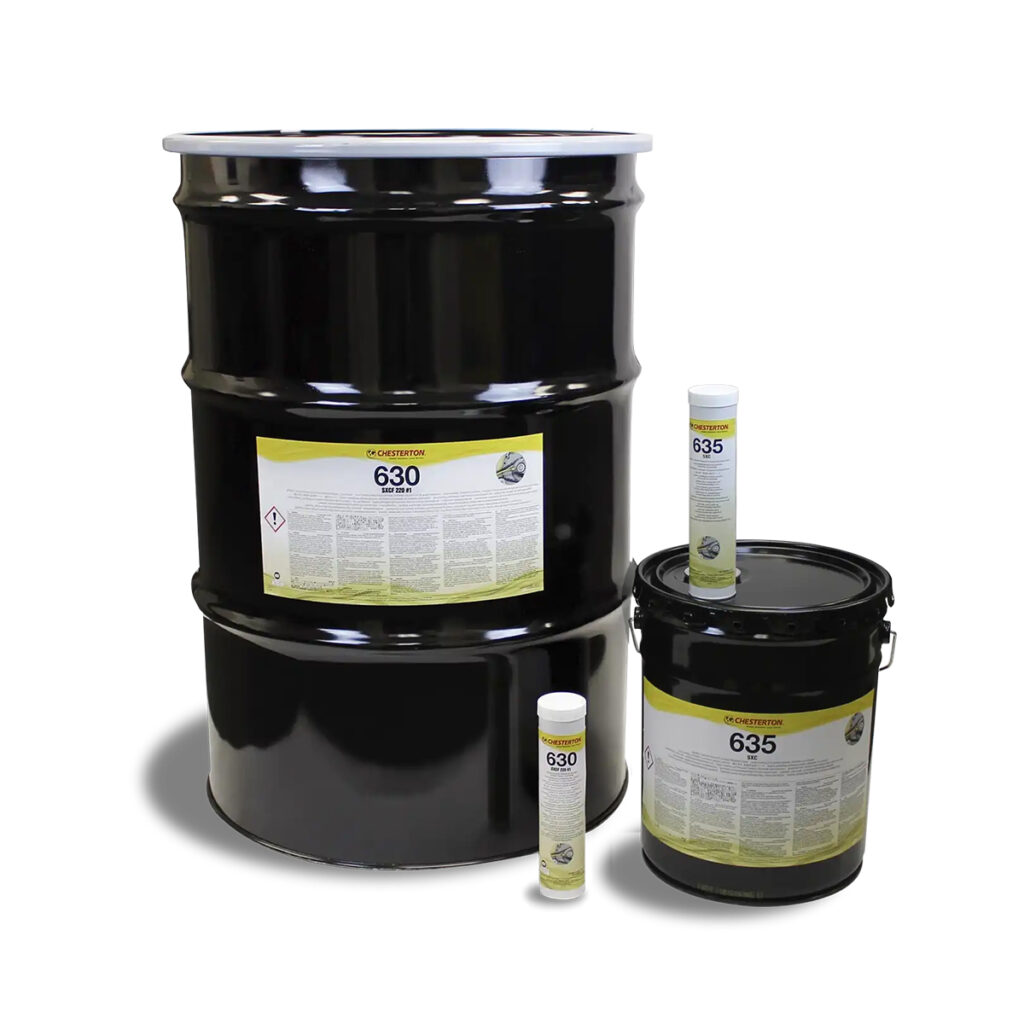
Wet End: Chesterton 635 SXC/630 SXCF 220 #1 Grease
The 635 SXC and 630 SXCF 220 #1 are high-performance, calcium sulfonate complex grease formulated for extreme water resistance.
- <0.05% water washout (ASTM D1264)
- Over 1000 hours of corrosion resistance (ASTM B117)
- Proprietary Quiet Bearing Technology (QBT)
This grease ensures long-lasting lubrication even under the wettest conditions.
635 SXC/630 SXCF 220 #1 provide superior water washout resistance and corrosion protection for wet-end bearings.
Dry End: Chesterton 615 HTG #2 460
The 615 HTG #2 460 grease is another calcium sulfonate complex grease, designed for high-temperature environments.
- Thermal stability up to 400°F (204°C)
- High viscosity base oil (460 cSt @ 40°C)
- Excellent load-handling and anti-oxidation properties
Ideal for dry-end applications where speed and heat are primary concerns.
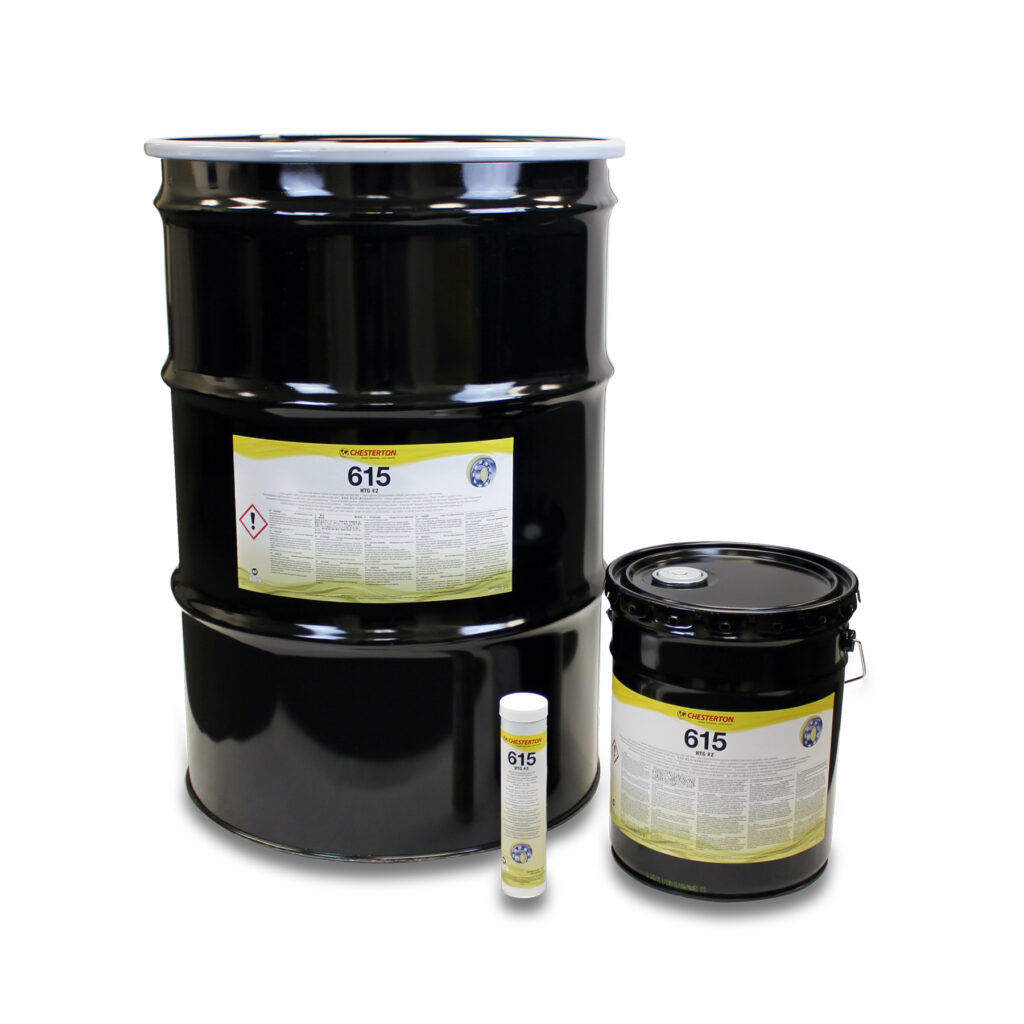
615 HTG #2 460 is a high-temperature, heavy-duty grease for dry-end roller bearing protection.
Lubri-Cup: Automated Grease Delivery
Even the best grease can fail if not applied correctly. Manual greasing often suffers from inconsistent lubrication intervals and quantities, especially in labor-constrained environments, which can lead to bearing failure.
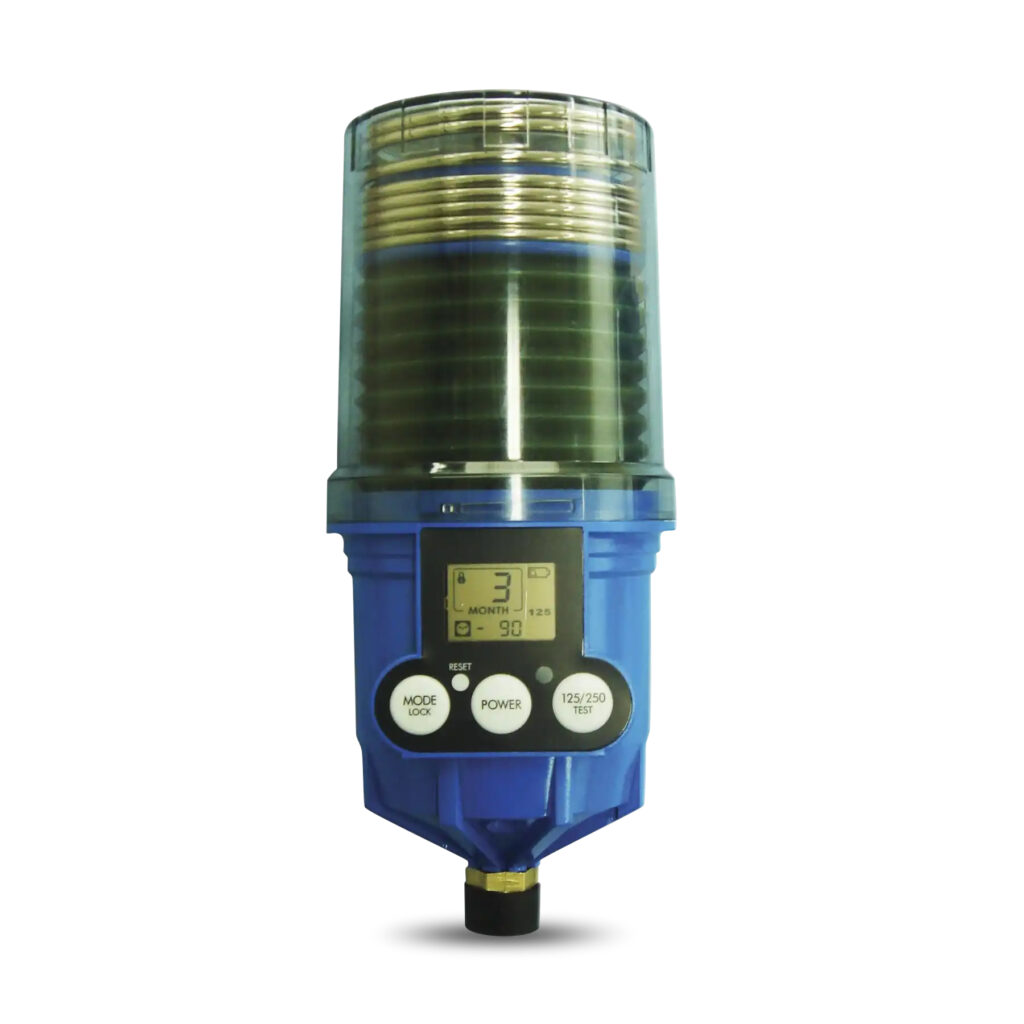
The Chesterton Lubri-Cup automatic grease dispenser ensures:
- Correct grease quantity
- Consistent lubrication
- Timely delivery
- Reduced manual intervention
This results in extended bearing life, reduced failures, and improved maintenance efficiency.
Lubri-Cup ensures precise, reliable lubrication for continuous bearing protection.
Conclusion
Maintaining bearing reliability in paper machines—especially across the wet and dry sections—is essential for uninterrupted production and cost control. With high-performance greases like Chesterton 635 SXC, 630 SXCF 220 #1, and 615 HTG #2 460, and tools like the Lubri-Cup automatic dispenser, operations can significantly reduce downtime, enhance machine performance, and optimize maintenance routines.